Evening Hydration: Stay hydrated but reduce fluid intake 2 hours before bed to minimize nighttime bathroom trips that disrupt sleep cycles.
Create a Sleep Sanctuary: Cool, dark, and quiet rooms promote deeper, more restorative sleep.
Important Consultation Note
Always discuss significant sleep changes with your healthcare provider, especially if you have:
Congestive heart failure (for which right-side sleeping may sometimes be advised)
Severe shoulder arthritis or hip pain
Glaucoma (where some positions may increase intraocular pressure)
Conclusion: Your Nightly Posture is a Pillar of Prevention
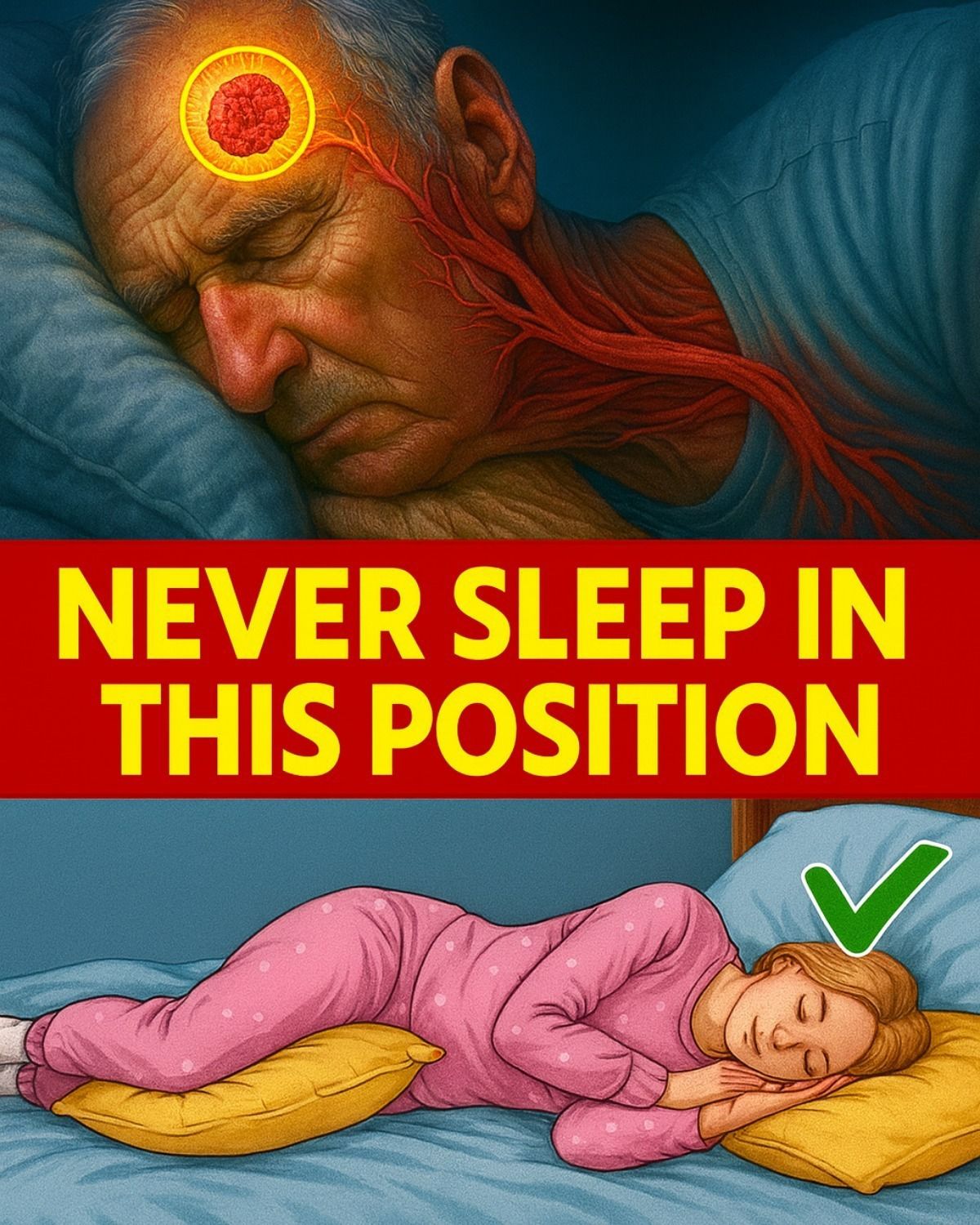
Stroke prevention is a multidimensional effort involving diet, exercise, and medication compliance. We must now officially add sleep posture to that list. For seniors, the simple act of shifting from back to side sleeping is a proactive, evidence-based step toward safeguarding brain health.
Tonight, as you prepare for bed, remember: you’re not just going to sleep—you’re engaging in an act of preventive neurology. Align your body to protect your brain. Adjust your pillow, position yourself on your side, and rest easier knowing you’re supporting the steady, vital flow that keeps your mind sharp and your future secure.